Having solar panels on your roof can be a great feature when you are living in your home. But things can feel a little more complicated when you decide to sell and the panels are leased. You may start wondering, “Can I actually sell my house if I don’t own the solar panels?” The answer is yes, but there are a few things you need to understand first.
If you want to sell a house with leased solar panels in Queens, the lease agreement will be an important part of the transaction. The solar company may still own the equipment, which means the panels cannot simply be treated like an ordinary fixture that belongs entirely to the homeowner.
The good news is that you have options. You just need to know what your agreement says and what needs to happen before the property changes hands.
What Does It Mean to Have Leased Solar Panels?
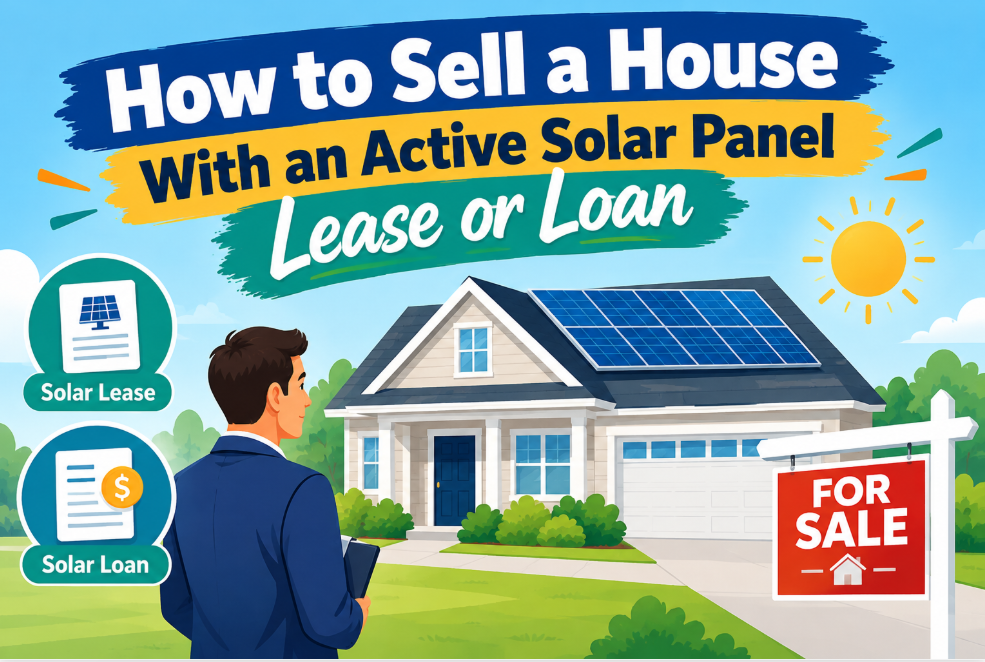
When you lease a solar system, a solar company usually owns the panels installed on your property. Instead of purchasing the equipment, you pay the company for using the system.
The lease may have a fixed monthly payment and a specific contract length. Depending on when you installed the panels, you could still have several years remaining on the agreement when you decide to sell your house.
This is different from owning solar panels outright. It is also different from a solar loan, where you typically borrowed money to purchase the system and are working toward owning it.
Understanding this difference is the first step when preparing to sell your home.
Can You Sell a House With a Solar Lease?
Yes, you can generally sell a home with a solar lease. The lease simply needs to be dealt with as part of the sale.
In many cases, the solar agreement can be transferred to the new homeowner. However, the buyer may need to qualify with the solar provider before the transfer is approved. The company may look at the buyer’s financial information and require certain documents.
Not every buyer will want to take over the lease. Some may be comfortable continuing the monthly payments, while others may prefer not to have an additional contract attached to their new home.
That is why you should find out the transfer requirements before putting your property on the market.
Review Your Solar Lease Before Listing the Property
Take a close look at your original solar agreement. If you no longer have a copy, contact the solar company and ask for one.
Look at how much time remains on the contract and what your current monthly payment is. You should also find out whether there is a solar lease transfer process, whether the buyer has to qualify, and whether there are any fees involved.
Ask the solar provider what happens if you sell the property before the lease ends. Some agreements may have a buyout option, while others may have specific rules for transferring the contract.
Knowing these details early can help you avoid surprises after you accept an offer.
Will a Buyer Have to Take Over the Solar Lease?
A buyer does not automatically have to take over your solar lease. Whether the agreement can be transferred depends on the terms of your contract and the solar provider’s policies.
A buyer may actually like the idea of having an existing solar system. They may appreciate the potential energy savings without having to arrange a new installation themselves.
At the same time, some buyers may be uncomfortable taking responsibility for a long-term lease. They may ask you to resolve the agreement before they purchase the property.
If this happens, you may need to discuss a lease buyout or another solution with the solar company. The right choice will depend on the numbers and the specific terms of your contract.
Does Leased Solar Make a House Harder to Sell?
Leased solar panels do not necessarily make a house difficult to sell, but they can narrow the pool of buyers in some situations.
Traditional home buyers often want to understand exactly what they are purchasing. If they see solar panels on the roof, they may ask who owns them, how much the monthly payment is, and how long the agreement lasts.
Some buyers may see the lease as a benefit. Others may see it as another financial obligation.
Being upfront about the solar lease can make these conversations easier. Instead of waiting for the buyer to discover the agreement later, provide the information early and give them enough time to understand what they would be taking over.
What About the Value of a Home With Leased Solar Panels?
It is easy to assume that solar panels automatically increase a home’s value, but leased solar is a little different.
The panels may provide energy savings, but because you do not own the equipment, the buyer is not necessarily purchasing the solar system itself. The buyer is potentially taking over the right to use it under the existing lease.
The remaining lease payments, contract length, system performance, and local energy costs can all influence how a buyer looks at the arrangement.
This is why you should avoid simply adding the cost of the solar installation to your asking price. The value of the home and the terms of the solar lease need to be considered separately.
Can You Sell the Property As-Is With Leased Solar?
An as-is home sale can still be possible when the property has leased solar panels. Selling as-is generally means you are selling the house in its current condition rather than agreeing to complete major upgrades or renovations before closing.
However, an as-is sale does not cancel your solar contract. The lease still needs to be disclosed and handled according to its terms.
If you are trying to avoid spending additional money preparing your house for the market, an as-is approach may be worth discussing. It can be especially useful when the solar lease is only one of several reasons you want to sell without taking on additional work.
Can a Cash Buyer Buy a House With Leased Solar Panels?
A cash home buyer may be willing to purchase a property with an existing solar lease. However, the lease still has to be reviewed and properly addressed.
If you are considering a cash offer, tell the buyer about the solar panels and provide the lease information. This allows everyone to understand the situation before moving forward.
Sell House Fast New York can review your property and its circumstances if you are interested in exploring a cash sale. Having your solar agreement available can help make the conversation more straightforward.
A cash sale does not automatically eliminate the lease. Depending on the contract, the lease may need to be transferred, bought out, or handled through another arrangement.
Should You Buy Out the Solar Lease Before Selling?
There is no universal answer. A lease buyout may make the property easier for some buyers to purchase because they will not have to take over the monthly payments.
However, buying out a solar lease can cost a substantial amount. You should not assume it is automatically the best choice.
Ask the solar provider for an up-to-date buyout figure. Then compare that amount with your expected sale proceeds and the alternatives available under your contract.
In some cases, transferring the lease may be much more practical than paying it off yourself.
How to Make Selling a House With Leased Solar Easier
The biggest mistake you can make is waiting until you have a buyer before dealing with the solar agreement.
Start by contacting the solar company and finding out exactly what is required. Get copies of your documents and make sure you understand the remaining term and monthly payment.
You should also let the professionals handling your home sale know about the lease. When everyone knows about it from the beginning, there is less chance of the agreement creating a last-minute problem.
If you are searching for how to sell a house with leased solar panels in Queens, you do not have to assume that the lease means you cannot sell. You may be able to transfer it, buy it out, or choose a different selling approach.
Your Solar Lease Does Not Have to Stop the Sale
Selling a home with leased solar panels requires a little more planning, but it is certainly possible. The key is knowing who owns the panels, understanding your contract, and finding out what happens when the property is sold.
Sell House Fast New York can provide another option if you want to discuss selling your property without waiting for the solar lease to expire. You can explain your situation, share the details of the solar agreement, and see whether a cash sale makes sense for you.
There is no need to panic just because your solar panels are leased. Once you know your options, you can make a decision based on your finances, timeline, and what you want from the sale.
Sell House Fast New York can be one option to consider if you would rather explore a direct sale instead of going through a traditional listing process.
The most important thing is to deal with the solar lease early. Get the paperwork, understand the costs, and know what the solar company requires. With those details sorted out, you can move forward with selling your house with much more confidence.